blog://articles
Cloud Mac Field Notes
> Real-world notes on daily rentals, CI integration, and MLX inference

If your course specifies a Python version, use it for course work before considering an upgrade. This guide compares course requirements, package compatibility, and isolated testing so you can decide whether Python 3.15.1 belongs in a new project or should wait.
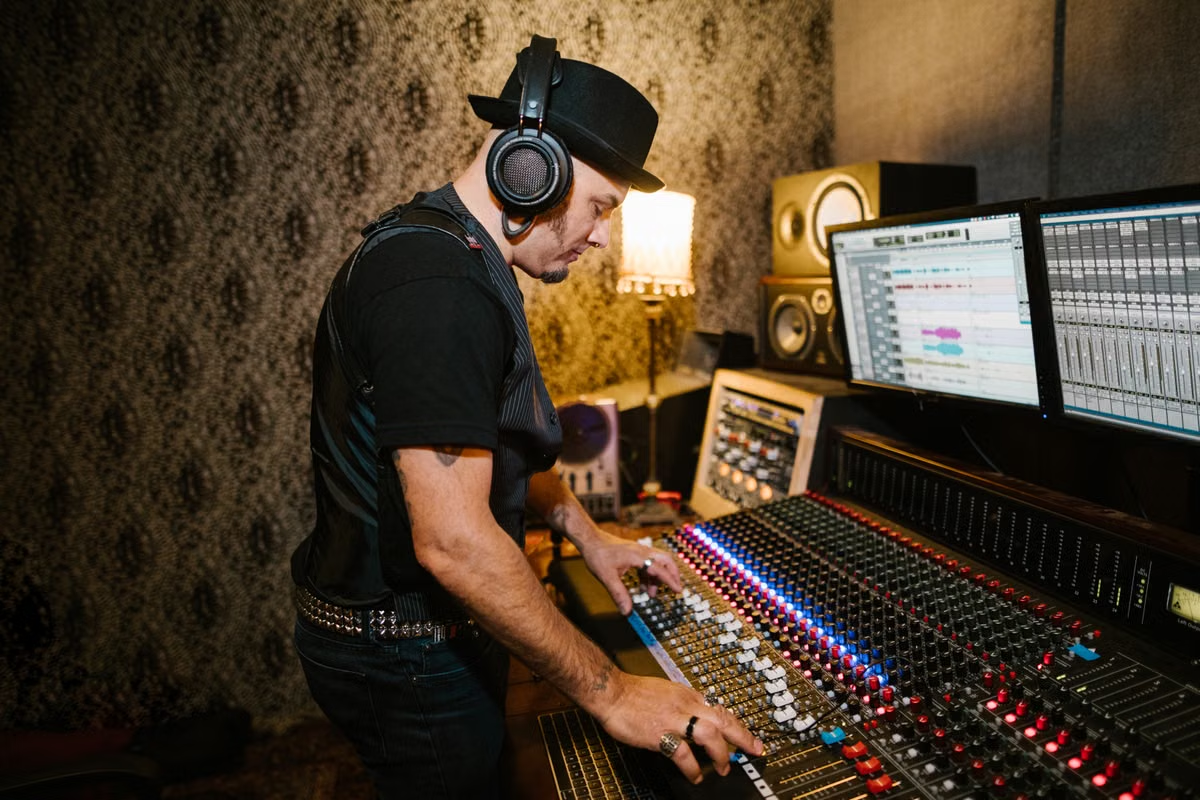
This guide helps freelance producers and small studios compare renting a cloud Mac with owning a Mac for Logic Pro work. Estimate the full project cycle, account for idle periods and licensing, and check file handoff costs before choosing a plan.
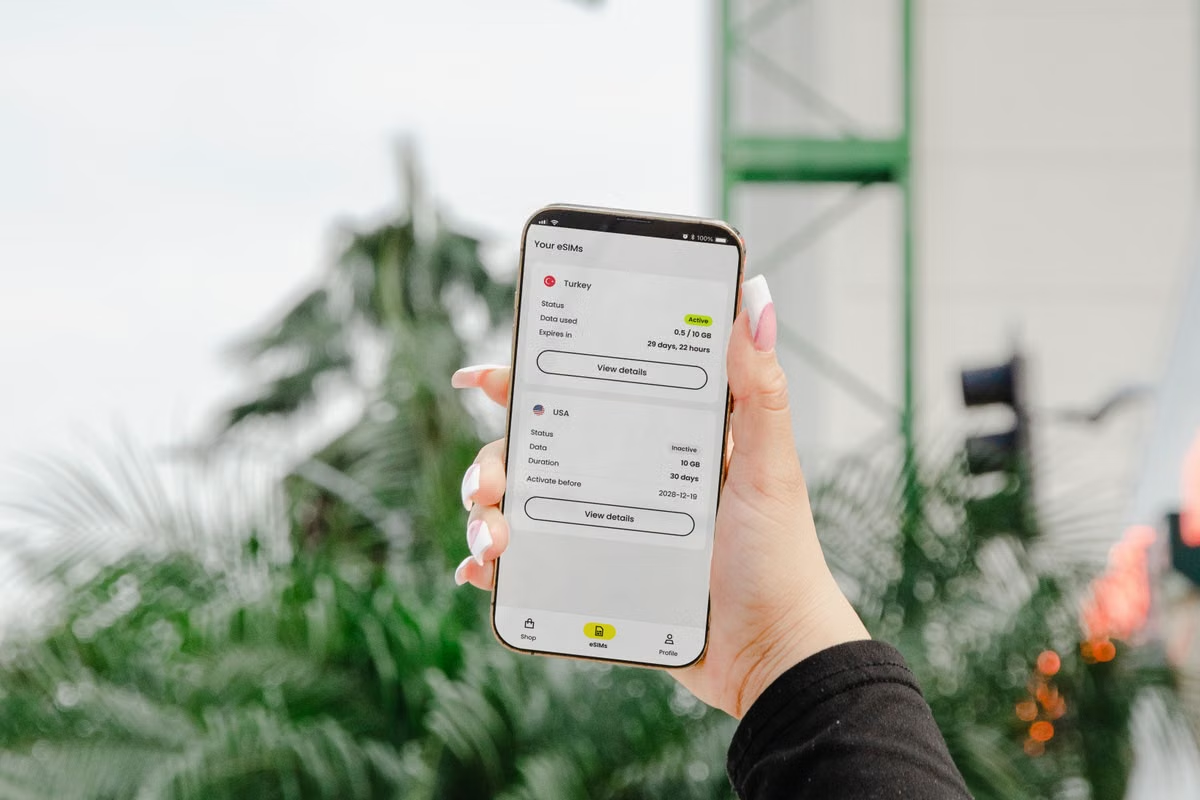
Independent developers do not need to rebuild every app after iPhone Duo launches. This guide helps you prioritize apps by layout risk, check what the simulator can reveal, and decide how device testing, release timing, and App Store assets fit your plan.
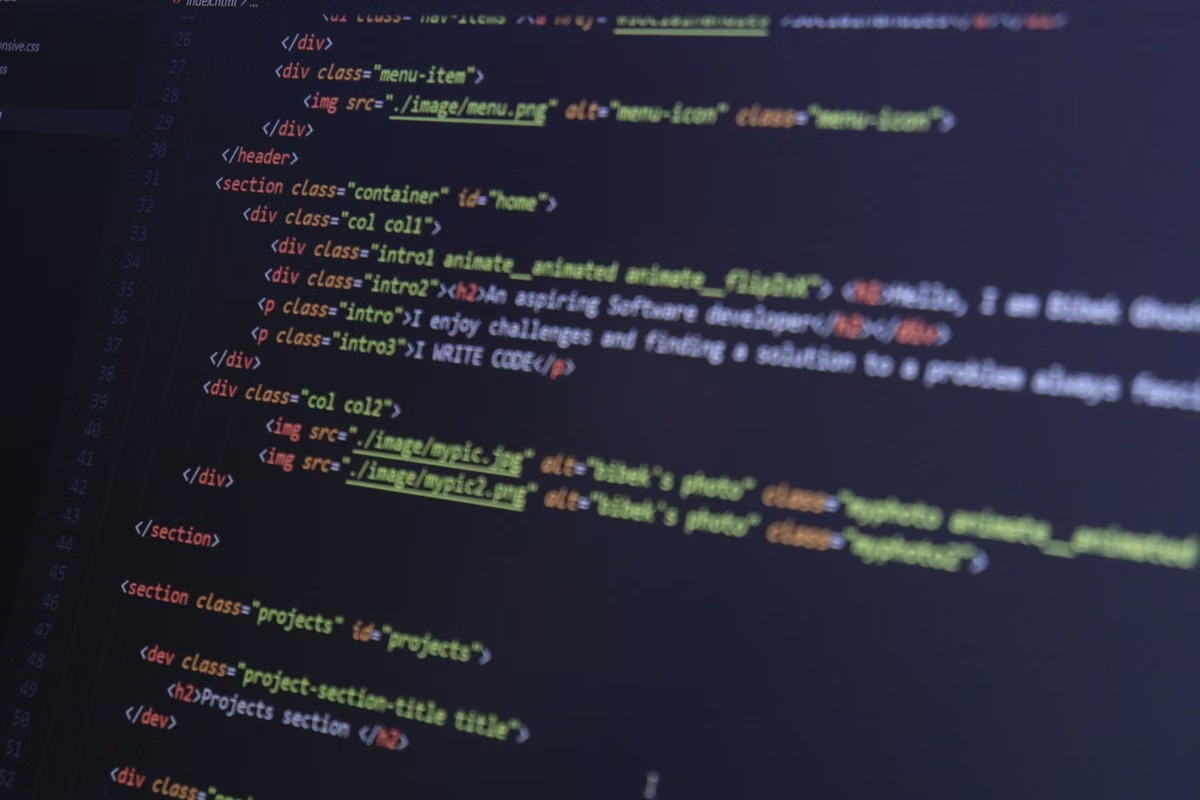
SwiftPM maintainers and CI engineers can use this assessment to decide whether to adopt Swift Build as the default backend in Swift 6.4. It compares compatibility, build results, environment consistency, and rollback risk, then gives an acceptance checklist for adopting, dual-running, or delaying the change.
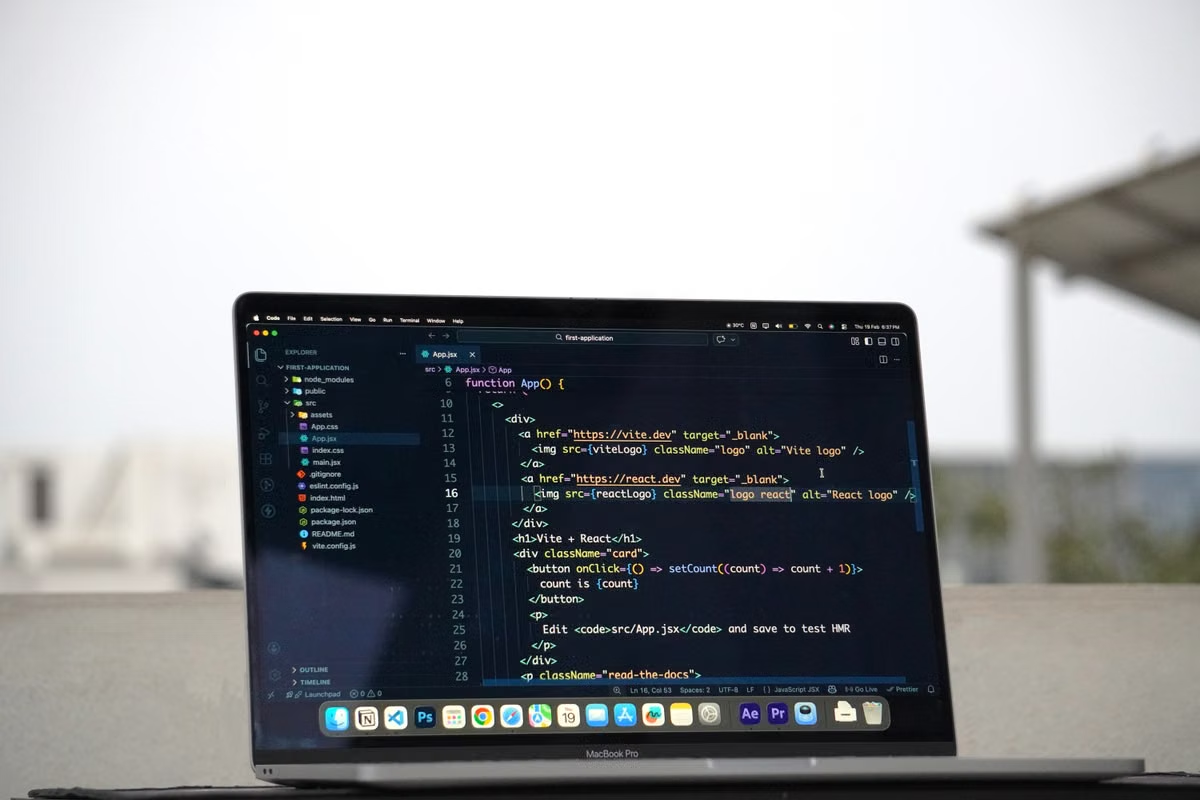
If your project runs in a Linux-compatible workflow, GitHub Codespaces may cover your daily development without a Mac. If you need Xcode, Apple platform simulators, or macOS-native tools, plan for a Mac environment; mixed projects often benefit from splitting work between the two. This guide compares project fit, access, cost factors, client constraints, and a hands-on validation process.

This guide helps IT, security, platform, and procurement teams assess a remote Mac provider using evidence rather than broad security promises. It maps role-specific checks to a decision rubric and a review record, including access, data handling, incident response, and offboarding.

For a remote Mac, choose the node that matches the market task you need to verify; if team access is the main concern, test from the members’ usual locations first. This guide separates node location from Apple Account storefront and page availability, then gives you a repeatable comparison process for US and Japan workflows.

This guide helps students identify whether a TestFlight problem comes from uploading, build processing, signing, review, or tester access. Follow the stage-based checks, then decide whether your project actually needs a macOS development environment.

For a Logic Pro migration, a successful app launch does not prove that your plugins or projects are ready. Use this guide to check plugin support, confirm project integrity, test sound and exports, and decide whether to migrate, rent a remote Mac, or keep your current setup.
This guide helps developers decide whether to keep Claude Code parallel work on an existing computer, split tasks across available hosts, or use a remote Mac. It compares platform requirements, workload contention, always-on access, and operating costs, then gives a validation checklist before migration.

Memory leak triage needs a real device and Instruments. This walkthrough shows how to run Leaks/Allocations over screen sharing on a cloud Mac mini and confirm findings with Memory Graph.

Legacy projects full of x86_64 pods and scripts often break on first build after moving to an Apple Silicon cloud Mac mini. This guide walks through detecting bad architectures, installing Rosetta 2, and resolving CocoaPods/Homebrew conflicts.

A practical walkthrough of running Flutter's dual-platform release builds on a single dedicated cloud Mac mini, covering fvm version locking, Gradle/CocoaPods caching, and a full pitfalls checklist.
blog://empty
New posts in the works
Hands-on guides are coming soon — check out these pages in the meantime.
blog://empty
New posts in the works
The featured series is coming soon — check out these pages in the meantime.
portal://start
Ready to try it yourself?
Rent by the day — about 4 minutes from payment to ready-to-use.